Do-Minus Design Retreats
A conversation with Riccarda Guidotti on architecture, hospitality and the philosophy of subtraction.
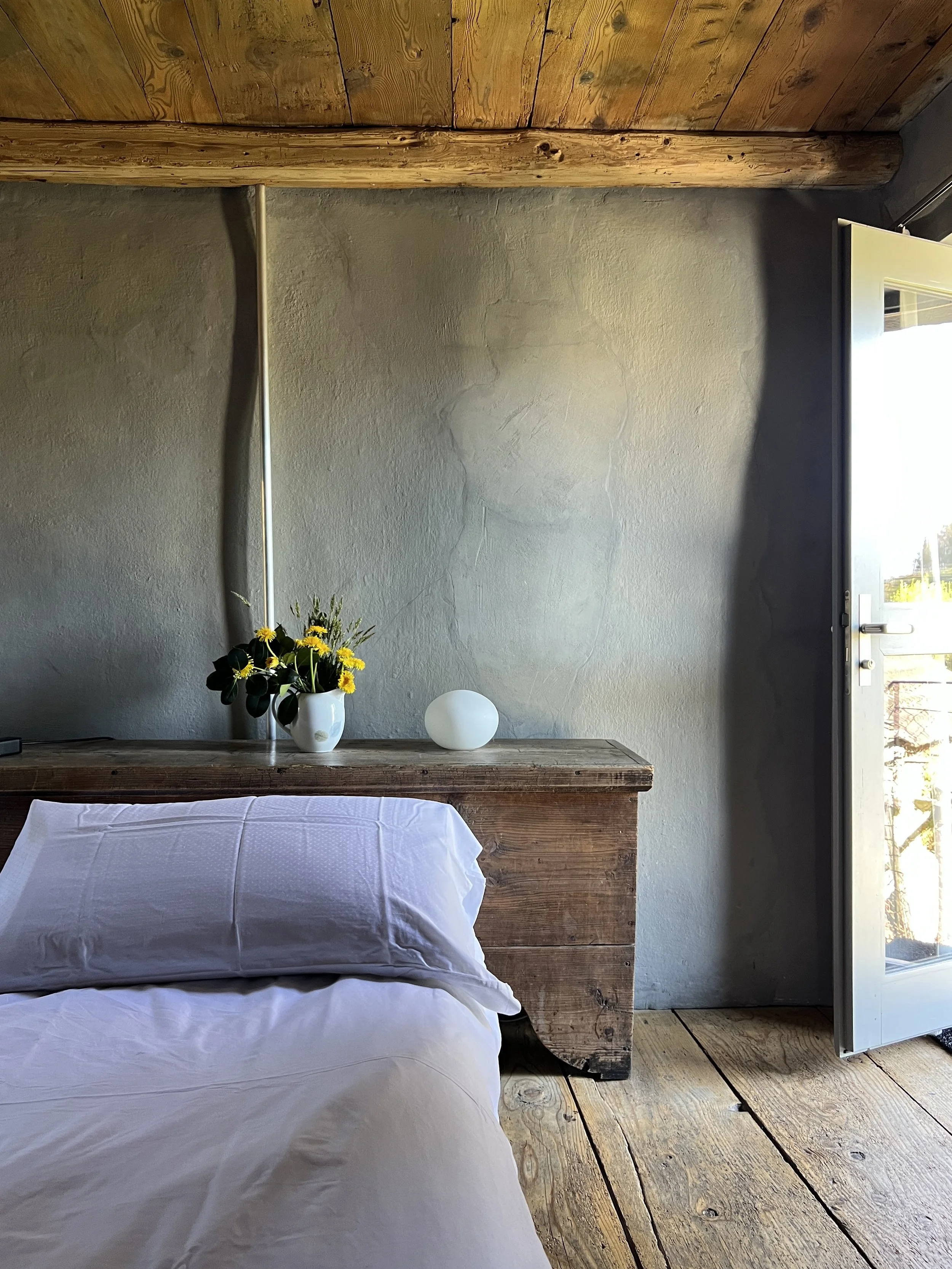
I first discovered Do-Minus Design Retreats & Spa in 2021, during a period when travel and hospitality were still adapting to the disruptions of the pandemic.
Having grown up in Canton Ticino myself, I was immediately drawn to the project. It reflects a side of Ticino I feel strongly connected to: one rooted in architecture, tradition and landscape.
Over the years, I have followed the evolution of Do-Minus closely, admiring the way the project preserves a strong connection to place while remaining deeply contemporary.
When I sat down with Riccarda Guidotti, architect and co-founder of Do-Minus alongside Andrea Frapolli, I realised there were still parts of the story I didn't know.
Do-Minus did not begin as a hospitality concept. It began with an old house discovered through a handwritten notice pinned to a board at a local Denner supermarket in Gnosca.
Today, Do-Minus has evolved into a collection of private stays and spa experiences across Ticino, yet the principles that shaped that first house remain central to the project. In our conversation, we spoke about vernacular architecture, simplicity, hospitality, and the idea that sometimes the most meaningful intervention is knowing what to leave untouched.
Architecture Before Hospitality
Before Do-Minus became a hospitality project, it was an architectural one.

"We actually started from architecture, not hospitality. As architects, we've always had a passion for old houses, especially those that still have a certain character, energy and authenticity. Although in our professional work we design highly contemporary architecture, perhaps precisely because of that contrast we've always remained fascinated by vernacular architecture and by buildings created before architects were involved."

When Riccarda and Andrea discovered the house in Gnosca, what attracted them was not the potential for a hospitality business, but the building itself. Many of its original features had been preserved, revealing traces of its past.

At the time, they were also collecting vintage furniture and design objects, imagining the house as a place where these pieces might eventually come together. As restoration progressed, however, the vision began to evolve into something else.

"Only once the house was finished did the idea of hospitality emerge. At that point we realised that, rather than becoming a private residence, it could become a place to share with others."

That first house became the foundation for a wider project, one centred on preserving buildings while giving them a new purpose. Hospitality emerged naturally from that process.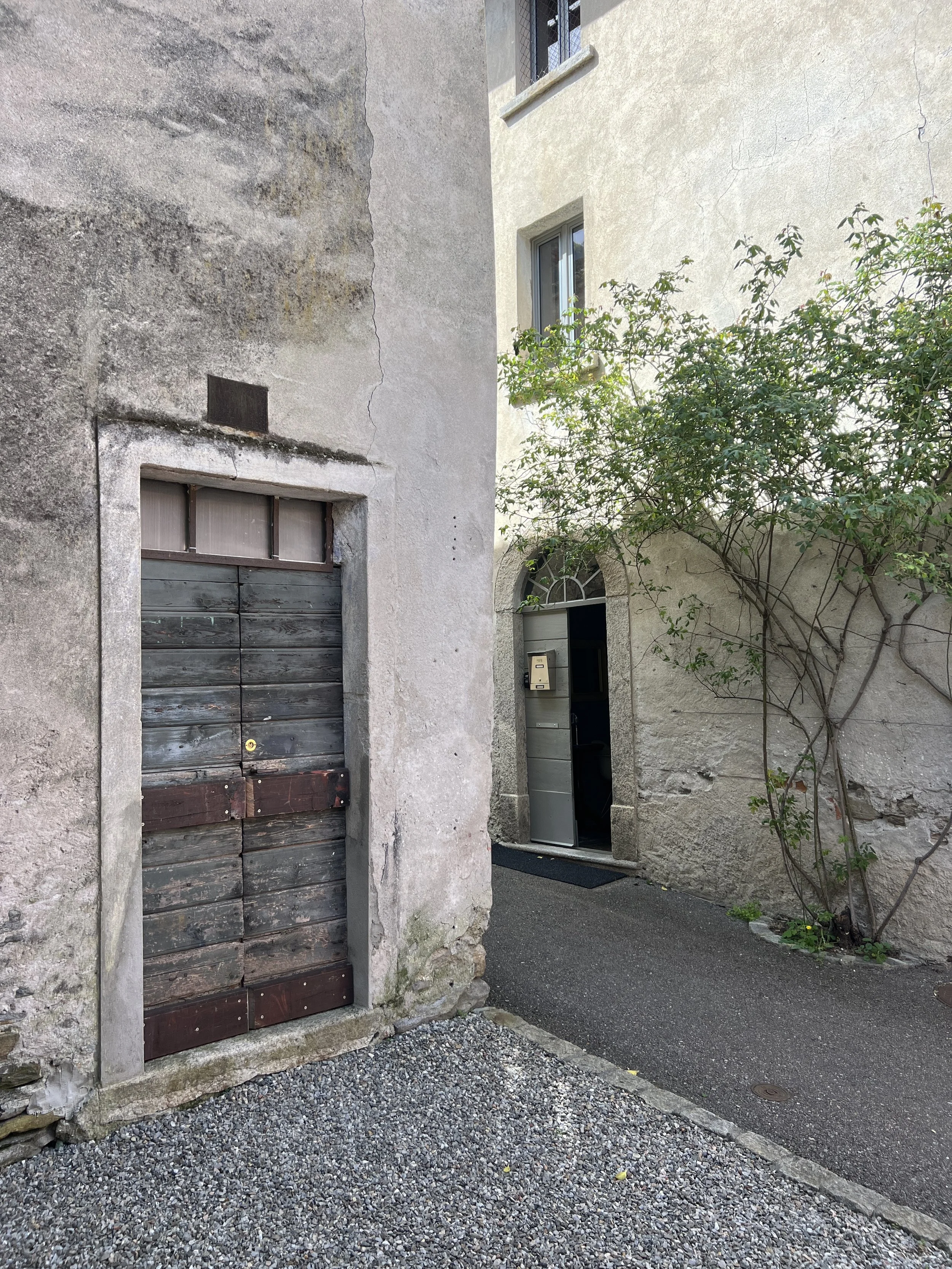
The Philosophy of Subtraction
If there is one principle that runs through every aspect of Do-Minus, it is the idea of doing less.

While restoring the house in Gnosca, Riccarda and Andrea realised that the most important decisions were often the ones that involved restraint. Rather than transforming the building, they focused on uncovering elements that had gradually been concealed.

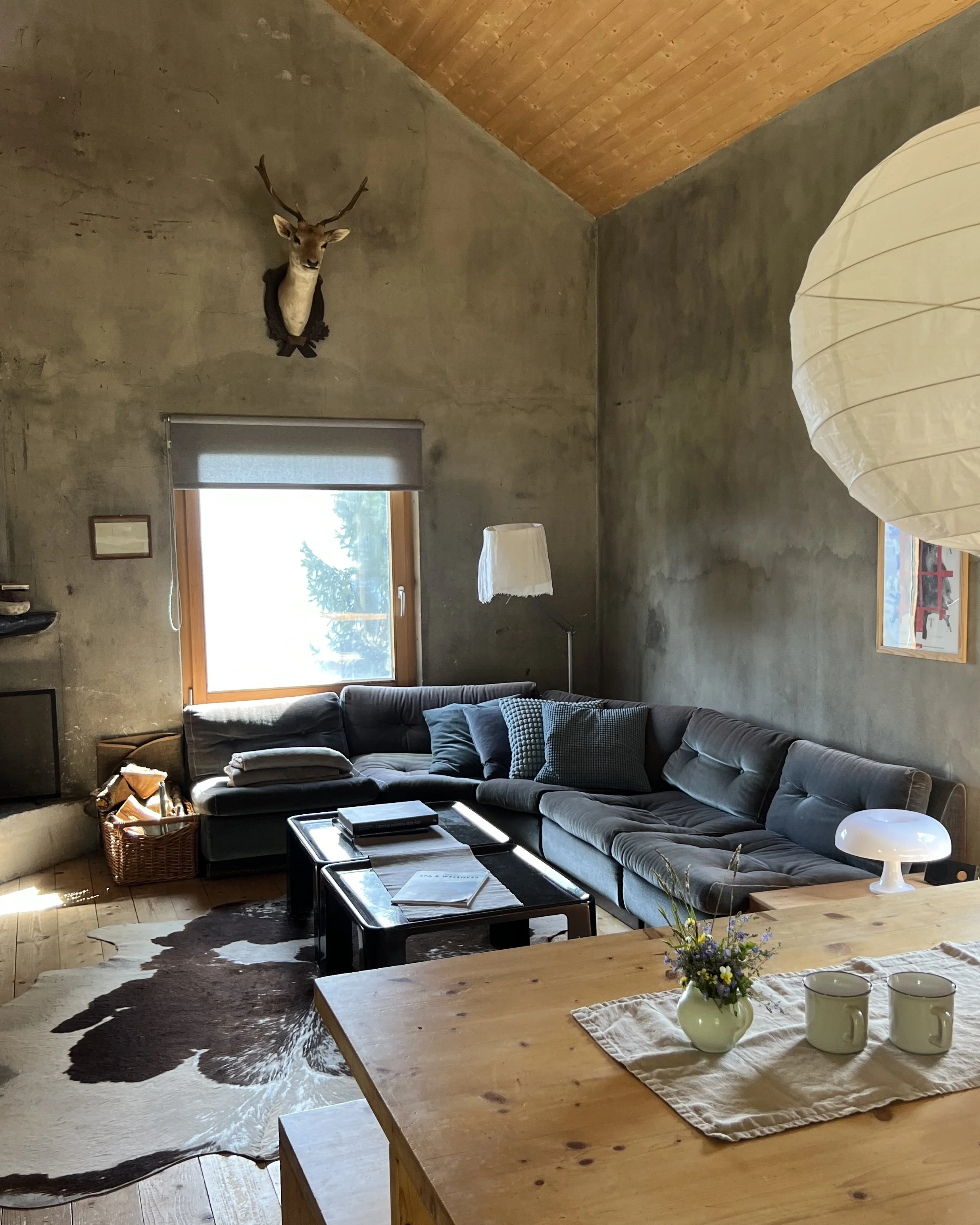
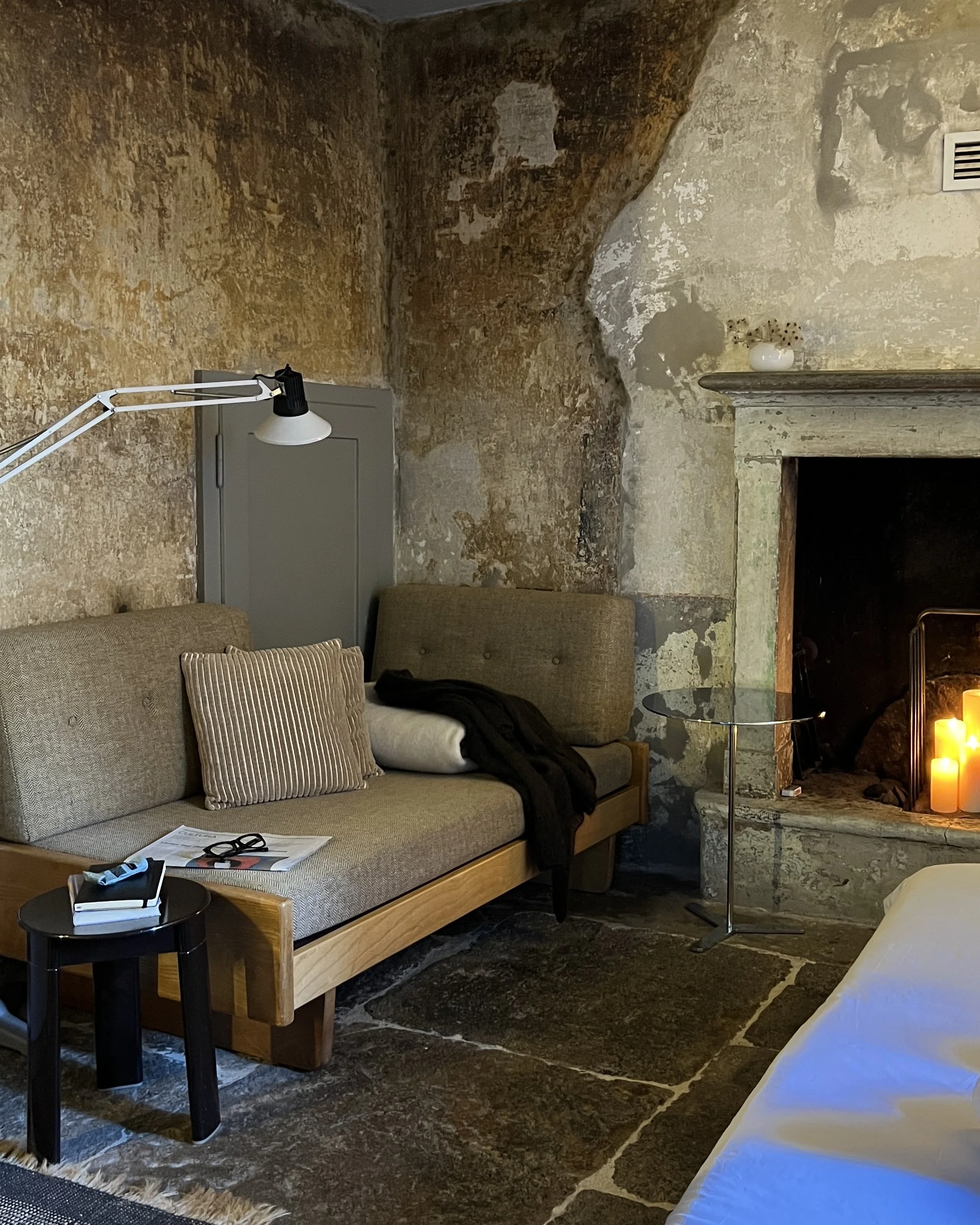
"We worked by subtraction. We removed false ceilings, wall coverings and other additions that had accumulated over time. Underneath, we rediscovered the original stone floors, timber surfaces and the character of the house itself."

What began as an architectural decision gradually became a broader philosophy.

"In many ways, the real project was deciding not to do very much at all."

For Riccarda, simplicity is not about the absence of comfort. The houses offer a range of carefully considered amenities, including the private spas that have become central to the Do-Minus experience, but every addition is weighed against the same question: what is truly necessary?

That mindset extends beyond architecture. Whether thinking about hospitality, services or future developments, the goal is not to offer less, but to focus on what matters most.

"Minimalism isn't something that only applies to architecture. It's a continuous process of reflection."

More than an aesthetic choice, subtraction has become a guiding principle.
“That's how Do-Minus came about. The idea was simple: do less.”
Houses that Speak of a Territory
From the beginning, the ambition was to highlight the built heritage of Ticino.

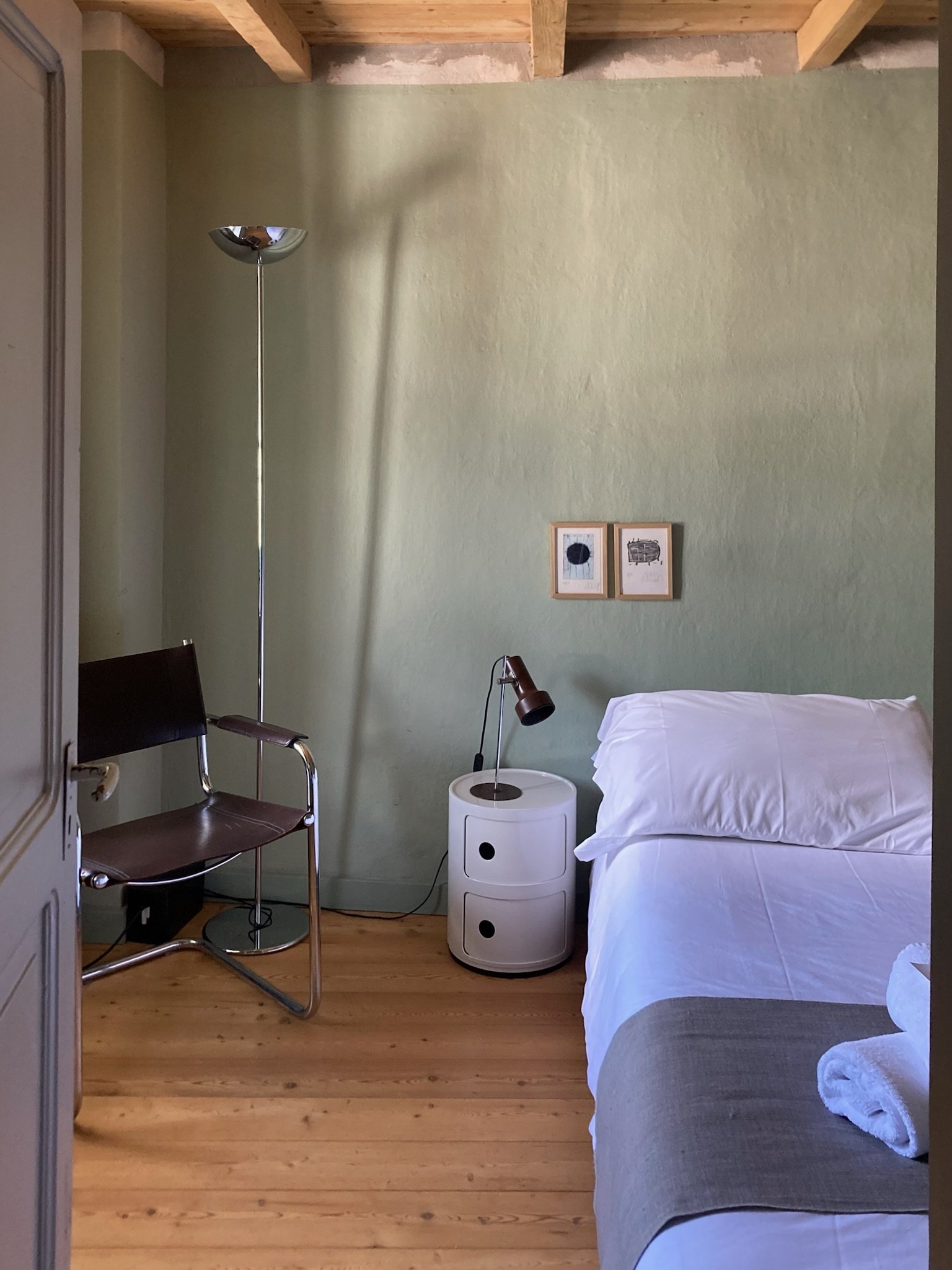
"We're interested in houses that still speak of the territory. They aren't grand houses. They're often modest homes, but they still express the place they belong to."

"For us, it's important that the houses haven't already been significantly altered. That's often where they lose their character."

Many of the houses that make up Do-Minus still carry traces of the history and the territory they belong to. Preserving these layers is just as important as restoring the buildings themselves.

Guests often respond to this authenticity. More than individual amenities or services, what many remember is the atmosphere created by the meeting of old and new.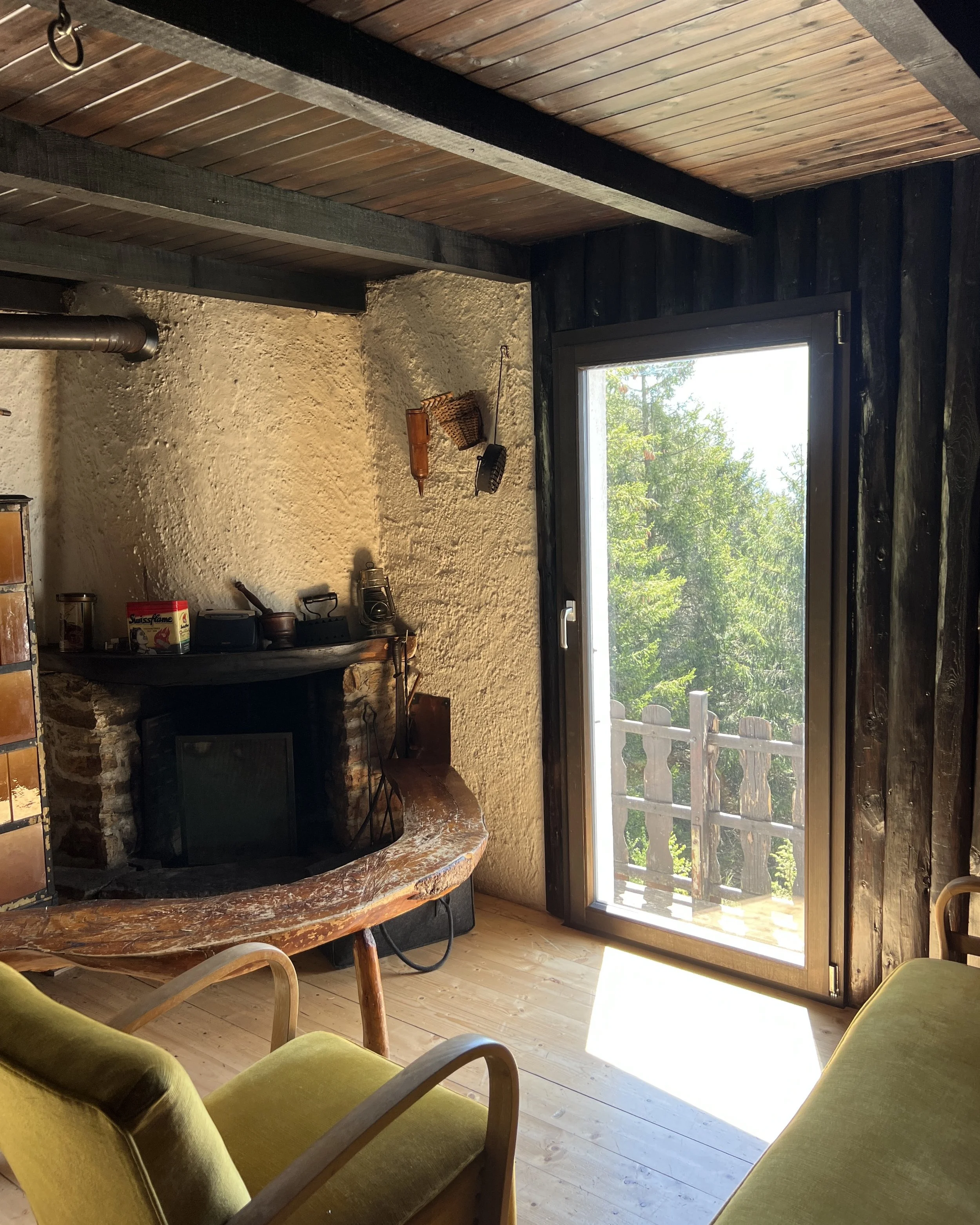
Feeling at Home
At Do-Minus, the experience begins with the house itself.

Riccarda and Andrea are interested in creating spaces that guests can inhabit freely. The ambition is not to recreate the feeling of a hotel, but to offer something closer to the familiarity of a home.

"Our ambition is to make people feel at home. Not because we are there to welcome them, but because we believe the house itself can be enough."

Rather than placing themselves at the centre of the experience, Riccarda and Andrea prefer to let the houses speak for themselves.

"We're less interested in hospitality as a relationship between people. What we like is opening the door to a house."
"Perhaps the fact that we're not from the hospitality industry allows us to look at it with fresh eyes."
Unnoticed Details
Behind that apparent simplicity lies a great deal of attention.

Riccarda still prepares many of the houses herself before guests arrive, paying attention to details that often go unnoticed.

"I would like people to feel that someone has truly prepared the house for them, with care and dedication."

For her, this preparation is part of the experience. More than a service, it is a gesture of care. It is not necessarily something guests can clearly identify, but something they may sense during their stay.

When asked what she hopes people take away with them, the answer is simple.

"To have felt good in someone else's house, prepared especially for them."
"If something is done with genuine care, I like to think people can feel it."
Looking Ahead
What began with a single house in Gnosca has gradually evolved into a broader vision.

While the existing properties remain deeply connected to Ticino, Riccarda sees the concept as something that could eventually extend beyond the region.

"We see this as a principle that could exist elsewhere. The idea is always the same: finding places that still express something genuine about the territory they belong to."

For Riccarda and Andrea, the future of Do-Minus is less about expansion and more about continuing to work with places that carry a strong sense of identity.

Different buildings, different stories, but the same desire to preserve what makes a place unique.