MOND
A conversation on place, people, and hospitality between Switzerland and Sri Lanka
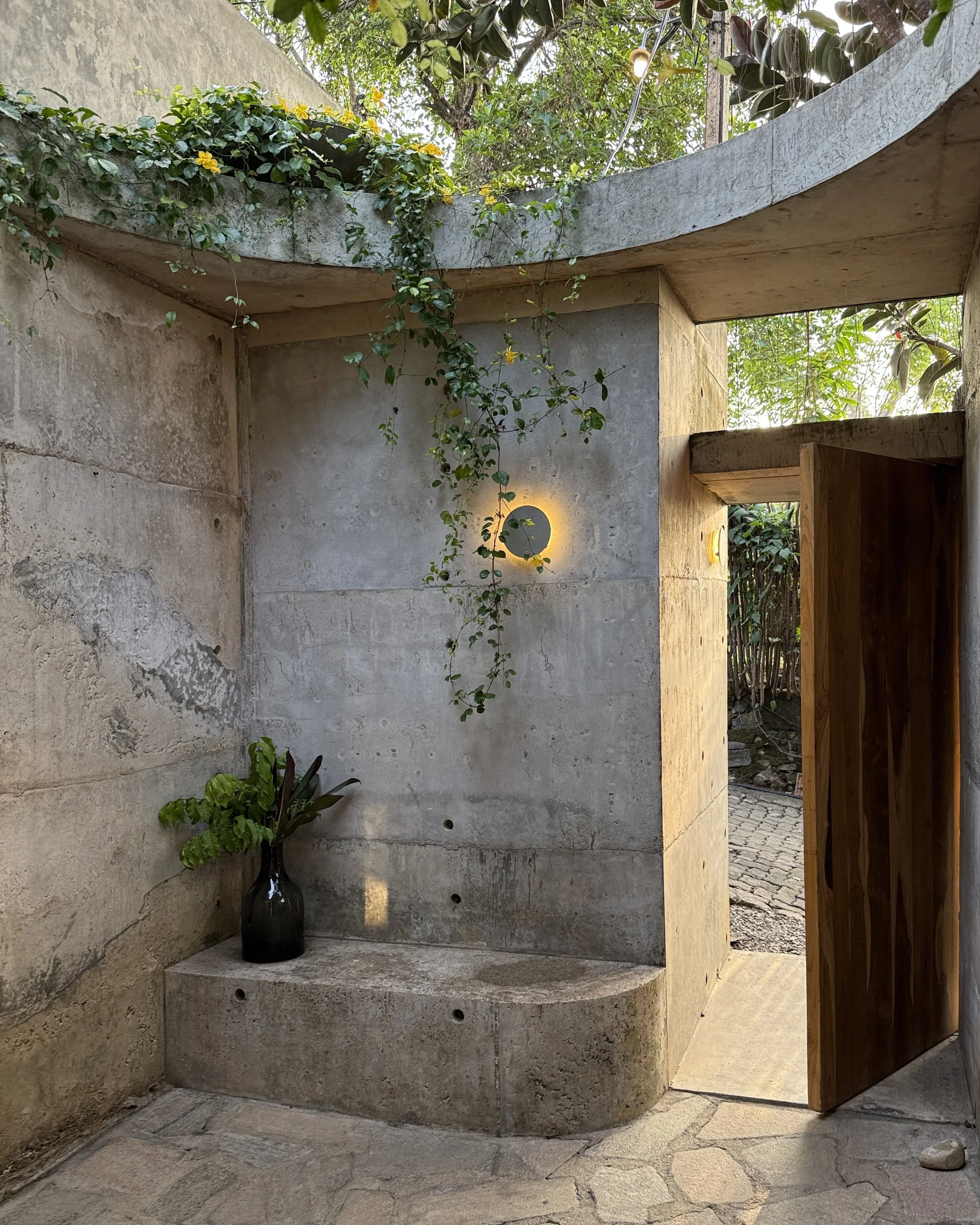
Before travelling to Sri Lanka, I already knew MOND was a place I wanted to experience.
Founded by two creatives from Zurich and set above the bay of Hiriketiya, it caught my attention not only for its Swiss roots within a tropical context, but for something less tangible I couldn’t fully define.
After staying there and continuing the conversation with founders Jessica and Renato, that initial intuition began to take shape. What emerges is not the story of a project imposed onto a place, but one shaped by it through observation, collaboration, and a continuous process of adjustment.
They reflect on the evolution of MOND, from its early beginnings to the way it exists today, within a landscape, a community, and a context that continues to influence it.
When you first imagined MOND, what felt most important for you to create?
At the beginning, it was less a plan and more a pull.We left Zurich and arrived in Hiriketiya with the sense that something could happen here, even if we didn’t yet know what that something was. The village was still quiet then. No real infrastructure, barely any cafés, just the curve of the bay and a kind of stillness that felt almost unfinished. We wanted to build a place we could inhabit ourselves. Not a hotel in the traditional sense, but something closer to a house that could hold people. A space that reflects how we see and move through the world - through architecture, through objects, through small decisions. And then to open that up. Let it become a meeting point.Community was always at the centre, even if abstract at first. A place for exchange, for conversation, for things to overlap. Art, food, people passing through, people staying longer than planned. MOND was never meant to be fixed. More like a framework that could hold different energies at once. A place to slow down, connect, create. Over time, that intention shifted.Living here changes your sense of scale. You become aware of what already exists, what you are entering into. The focus moved away from building something of our own, towards understanding how to exist within an ecosystem that is not ours to define.Now the question feels different.Less about what we create, and more about how we participate.
How to be present without being disruptive.
How to support what is already here: the people, the rhythms, the materials, the knowledge - and let that lead.MOND became quieter in that sense.More listening than projecting.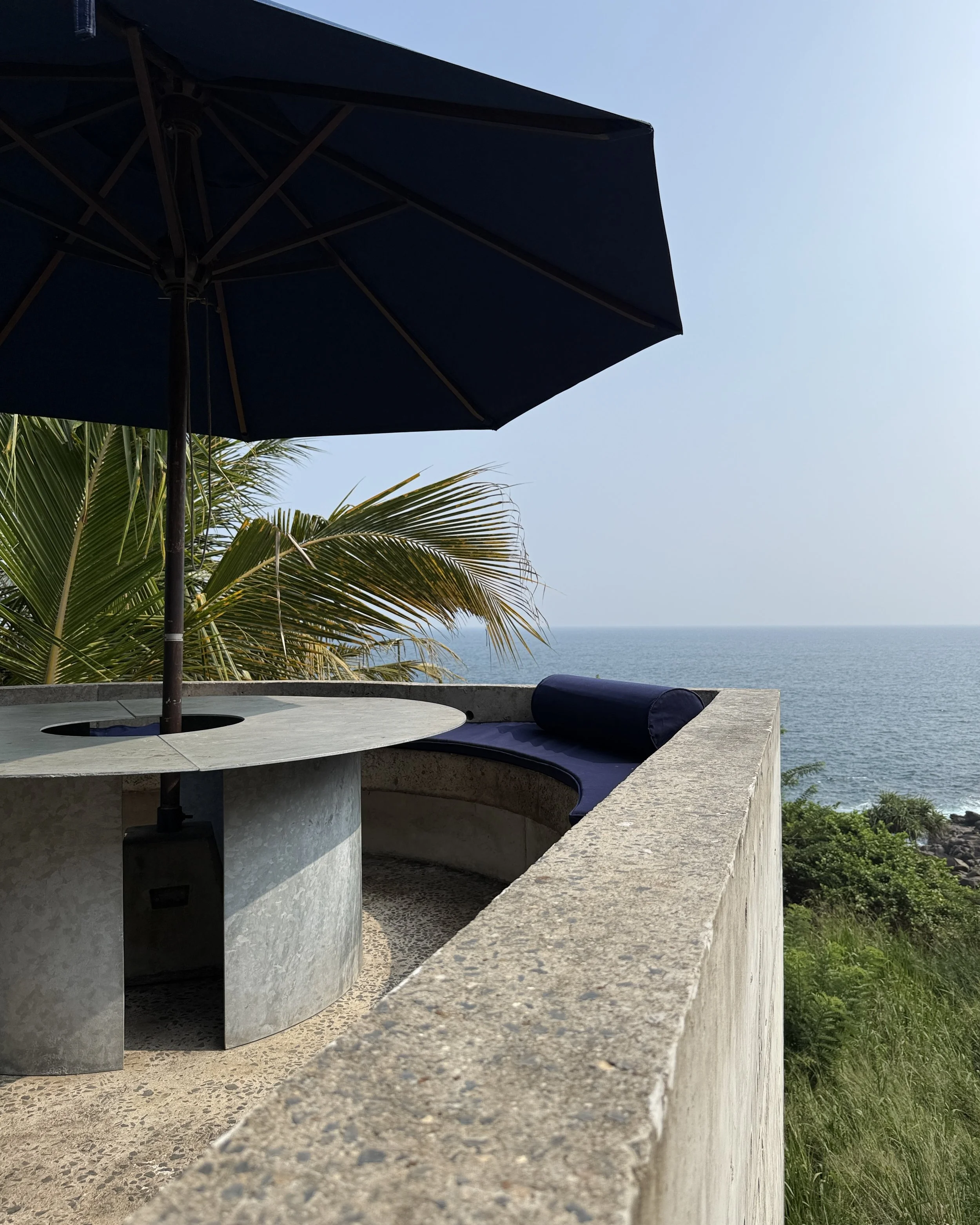
How did the landscape and atmosphere of Hiriketiya shape your vision for MOND?
Very directly. Almost instinctively. In the beginning, it was the quiet that led. The bay held a kind of softness, the jungle felt close, almost protective. You did not have to design much against it, just lightly place yourself within it. MOND followed that. Not as something to stand out, but something to recede into the landscape. Low, open, porous. A place that lets air, sound, and light pass through. More a shelter than a statement.Over time, the atmosphere shifted.
Hiriketiya changed. Faster, louder, more layered. What was once a kind of hidden spot became a destination.And with that, our role changed too.The idea of MOND as an oasis became more pronounced. Not in a grand sense, but in small, deliberate ways. Holding a certain calm. Offering a refuge, not only for guests, but also for friends, neighbours, people passing through. A space where things slow down again, even briefly.We try not to hold on too tightly to what was. Places evolve.
So we keep observing, like we did in the beginning. Paying attention and adjusting.Doing our part in a way that feels necessary, and proportionate.“At the beginning, it was less a plan and more a pull.”
In which ways does your Swiss background influence your approach to design and hospitality?
It mainly shows in structure and consistency.

In design, we tend to focus on proportion, material honesty, and clarity. Spaces are reduced to what is necessary, without adding too much. That comes from a Swiss design mindset where restraint and function are prioritised.

In hospitality, it is about reliability. Things should work. The atmosphere is relaxed and informal, but all thought-through. We are a small operation, so we cannot offer everything, but what we do offer is considered and consistent.

At the same time, being in Sri Lanka requires a different approach. There is less control over processes, timelines, infrastructure. You learn to adapt, to work with what is available, and to accept a certain level of unpredictability.

MOND sits between these two. A solid foundation, with enough flexibility to respond to the realities of the place.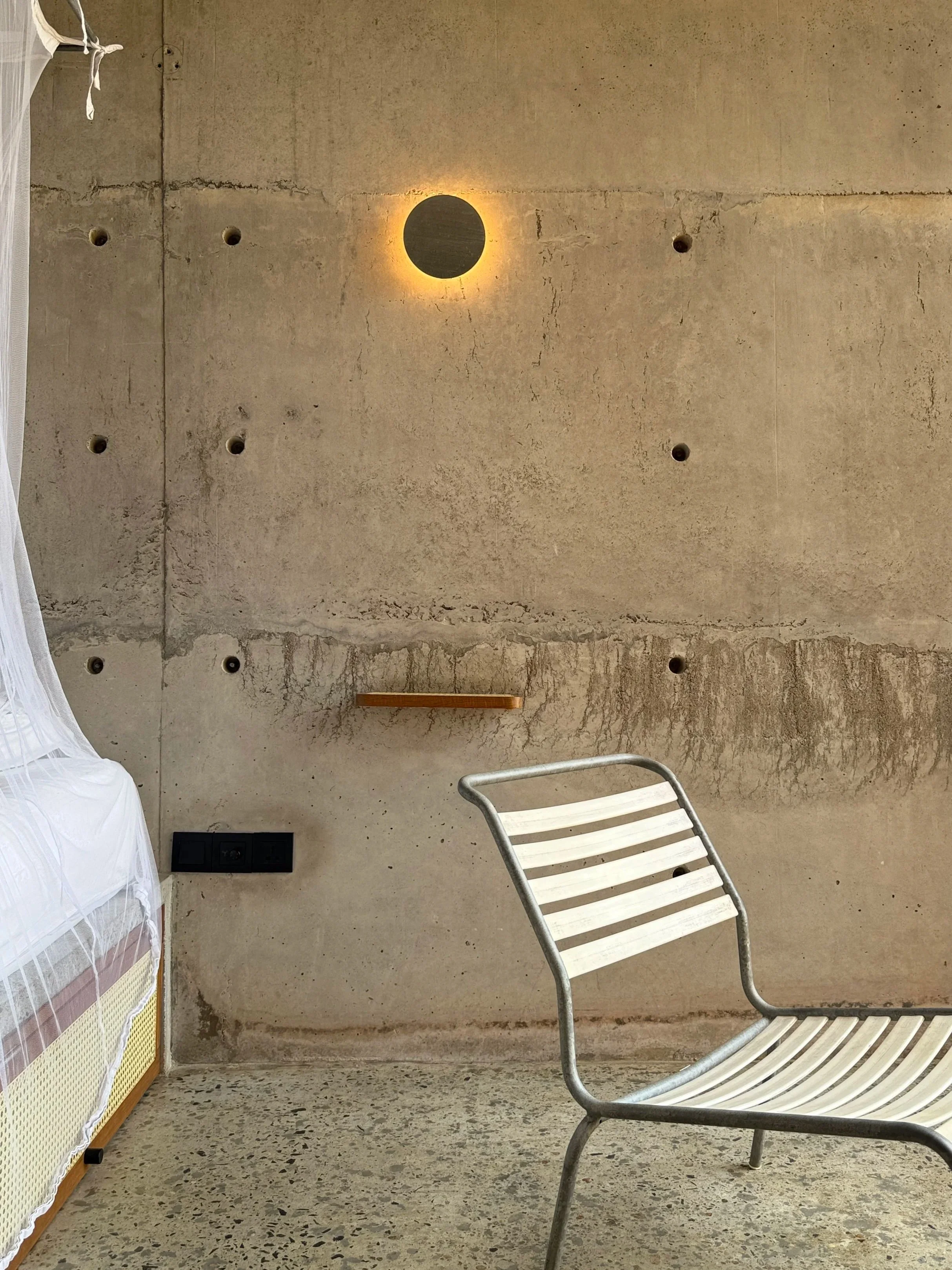
How do community and human connection shape the experience at MOND?
Very much.

MOND has always grown through people. Over the years we have collaborated with many, from the island and from our former home. Slowly, connections build. People return, others stay in touch, some become part of the team. You start to see how things link.

Guests often say it feels like a home. Not in a styled way, but in how the place is run. Familiar faces, a certain ease, a sense that people know each other.

Some of our team have been with us from the very beginning. We have grown alongside each other. That continuity shapes the atmosphere more than anything we could design.

For us, it does feel like a second family. And at the same time, we are held by it.
By the team, by collaborators, by neighbours, by everyone who moves through MOND.
“That continuity shapes the atmosphere more than anything we could design.”
What role does the creative dimension of MOND (the studio and residency) play within your project?
Studio MOND is the extension of it all. Sometimes we call it the little sister.If the hotel holds, the studio moves. It is more direct, more hands-on, less defined by hospitality. A space to test, to make, to collaborate. It brings a different energy into the wider MOND orbit.From the beginning, we wanted MOND to go beyond being just a place to stay. The studio allows for that. It creates a layer where artists and makers can come in, spend time, and contribute something tangible. Objects, ideas, processes.The residency is part of this. People stay longer, work within the context of the island, and engage with local materials and knowledge. What comes out of it often feeds back into MOND in a very concrete way. Tableware, textiles, scents, small objects that are used, sold, or simply become part of the space.The shop in Dikwella makes this visible.A small storefront, a few minutes from the hotel. Open during the day. Not a gallery, not a polished retail space, but a working extension of the studio. You find ceramics made on site, textiles developed with local makers, editions from past residencies, and a selection of everyday objects.It is also where people meet. Guests, neighbours, people passing through. Conversations happen around the work itself.It keeps the project grounded. Less about concept, more about what is actually made, shared, and carried forward.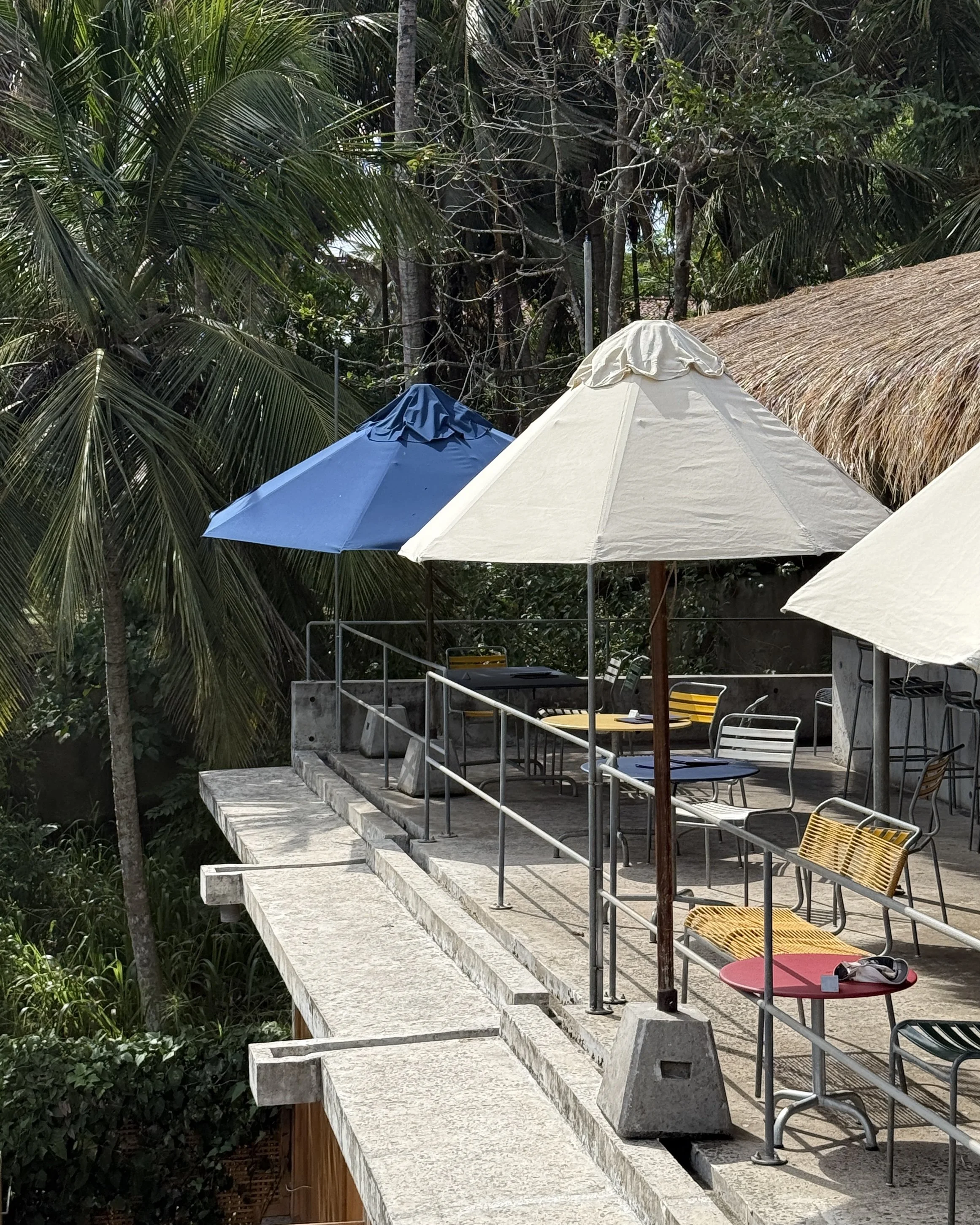
What does intentional hospitality mean to you today?
It comes quite naturally to us. I studied Design Management, and with that, human-centred design became a foundation. We think through how someone moves through the space. Not only a hotel guest, but also someone stopping by for a takeaway coffee, or our own team moving through their day. How you arrive, how you are greeted, where you sit, how things flow. These are small decisions, but together they shape the experience.At the same time, it is about being clear about what we are. We are a small, family-run place. We do not offer everything, and we do not try to. Intentional hospitality also means setting the right expectations and focusing on what we can do well, rather than overextending.Being in Sri Lanka adds another layer to this. Running a hospitality business here comes with a different level of responsibility. You are part of a local ecosystem, economically and socially. It is important to be aware of that. To create something that contributes rather than extracts. To work with local teams, materials, and knowledge, and to build something that can be sustained within this context.So for us, it is a balance. Care and attention to detail, with an awareness of where we are and what role we play within it.“MOND has always grown through people.”
Is there a detail within MOND that feels particularly meaningful to you, but that guests may not immediately notice?
The Naa tree in the courtyard.It is the national tree of Sri Lanka. We planted it in 2018. It was about two metres tall, a few branches, quite exposed. For the first weeks it was not even in the ground, just standing there, waiting. Today it has grown well over ten metres. Dense, generous, holding shade, holding the space together. It changed the courtyard completely. Not in a dramatic sense, but in how it feels to be there. It is now the centre without announcing itself. A kind of anchor.And then there is our team.Many have been with us for a long time. They hold the place in ways that are not always visible at first glance. The consistency, the care, the atmosphere people often speak about all come from them. Although we are around year-round, we are very aware of how much of MOND sits in their hands, and we are very grateful for it.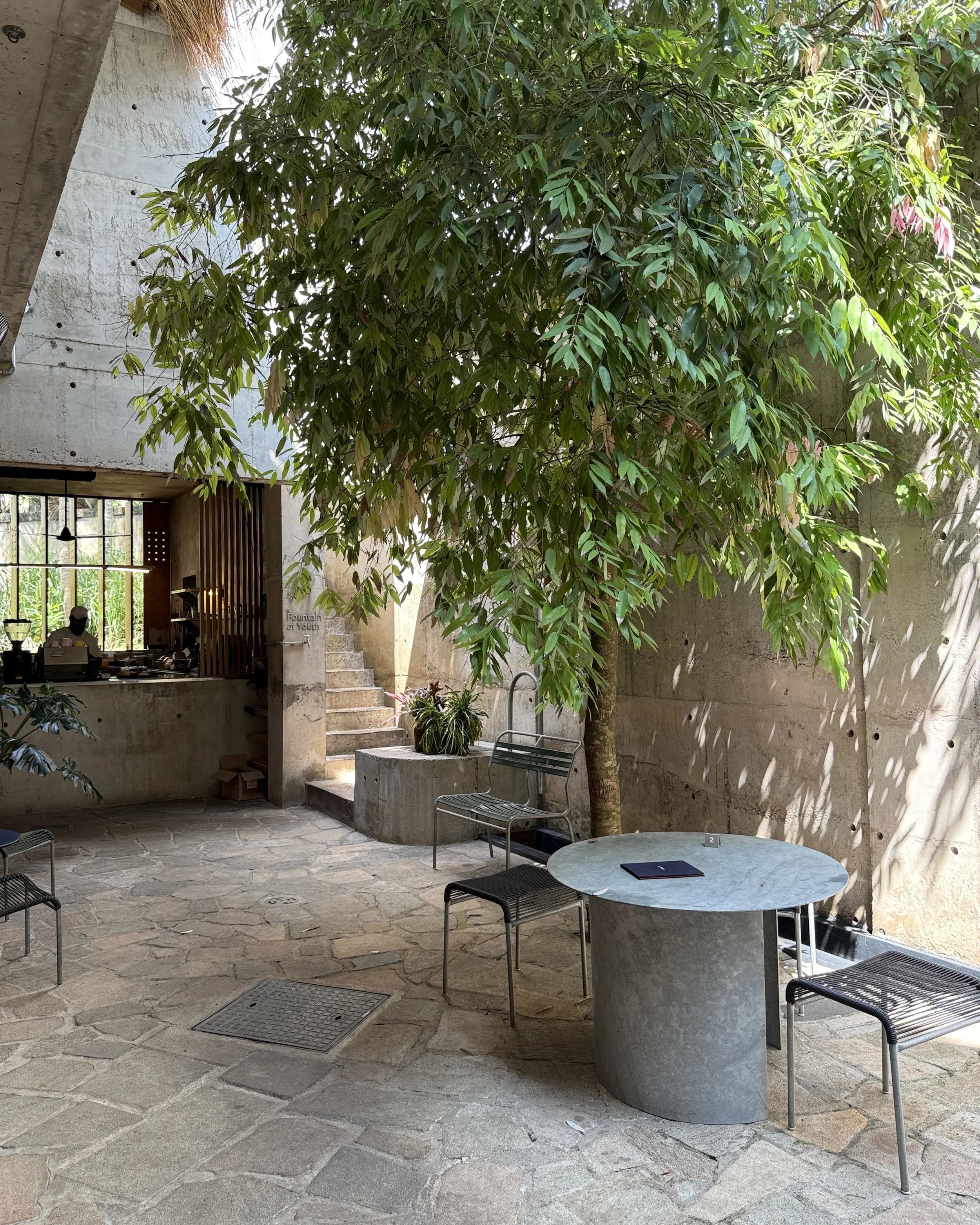
Looking toward the future, what do you hope always remains at the core of MOND?
We are currently in a moment of transition. Many ideas have been simmering in the background over the years and are now starting to take shape. It feels like a natural next step, rather than a shift away from what exists.At the core, the needs of the people will remain. MOND has always been centred around people. Our guests, of course, but equally our team, and ourselves. It reflects where we are in our lives and evolves with that. We use it as a platform to test ideas, to create, and to respond to what feels relevant at a given time.What we hope to keep is that sense of openness. Not becoming fixed or overly defined, but remaining something that can grow and adapt, and in doing so stay close to the people it holds, including us.